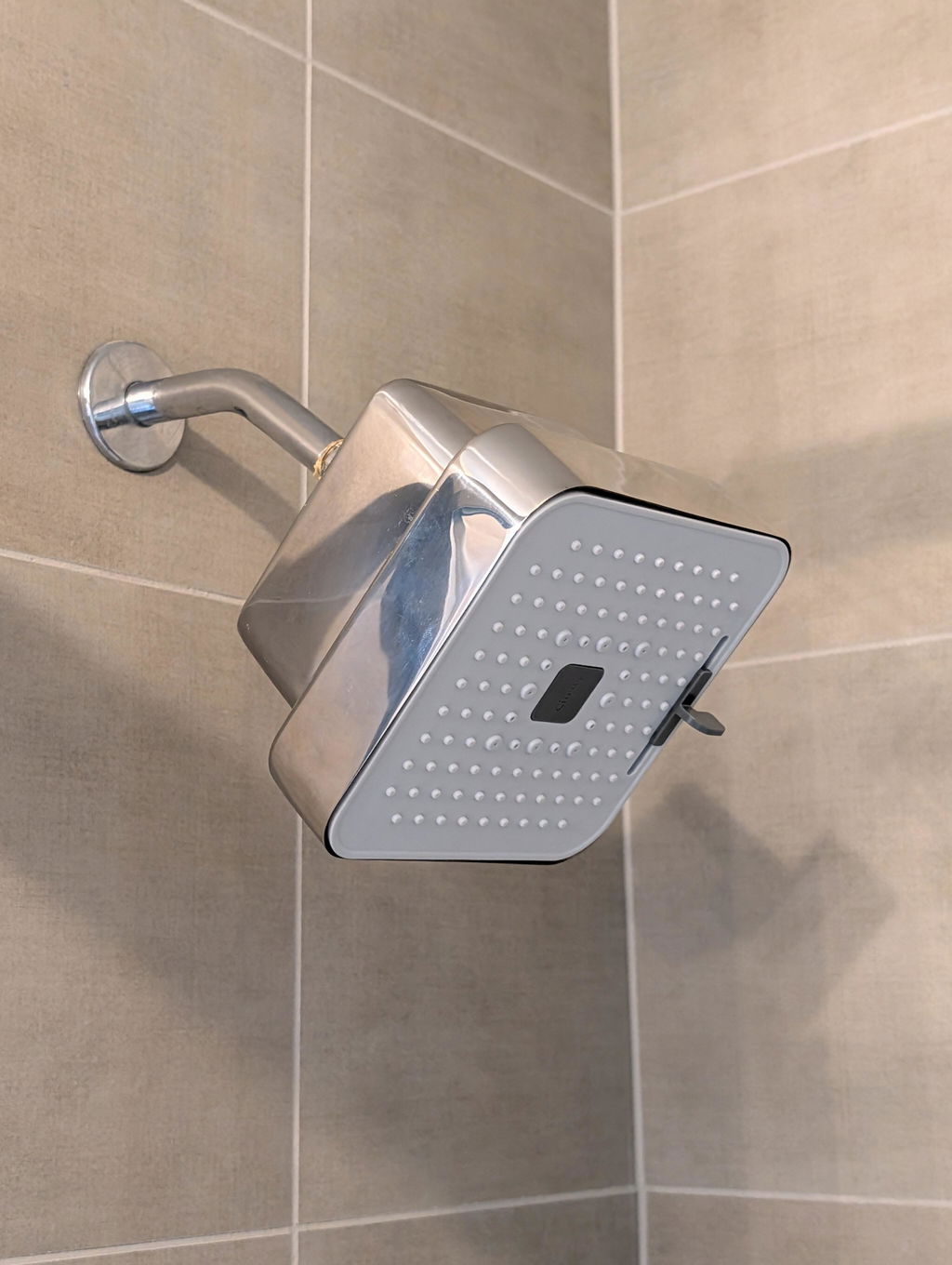
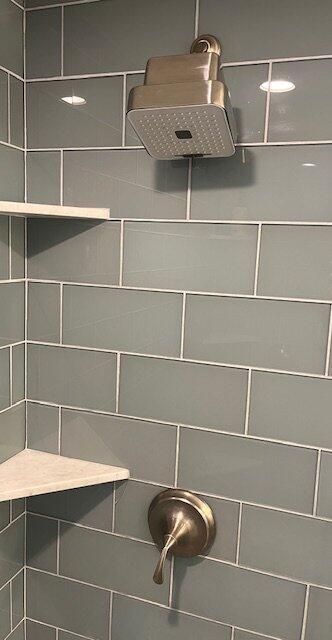
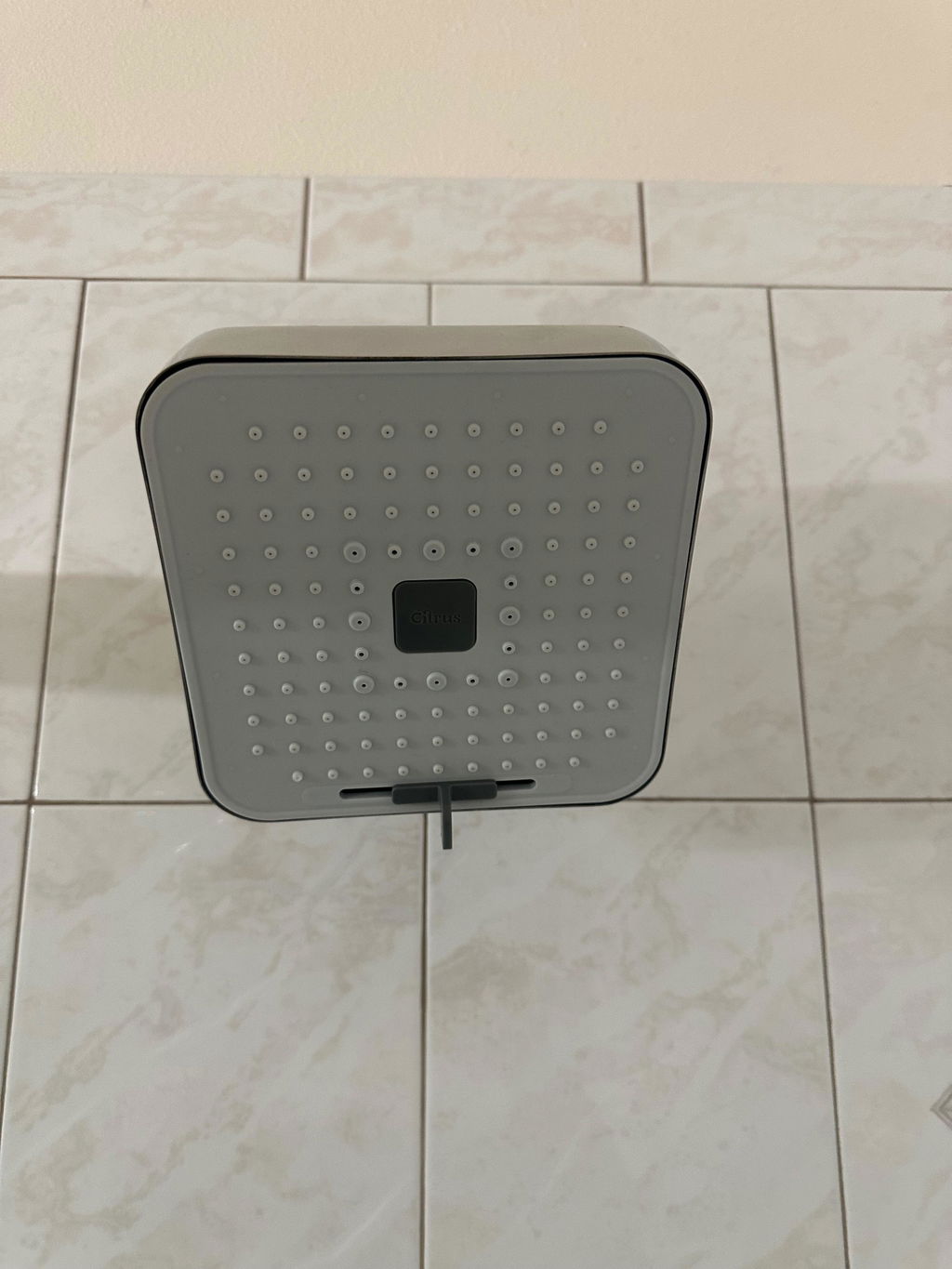
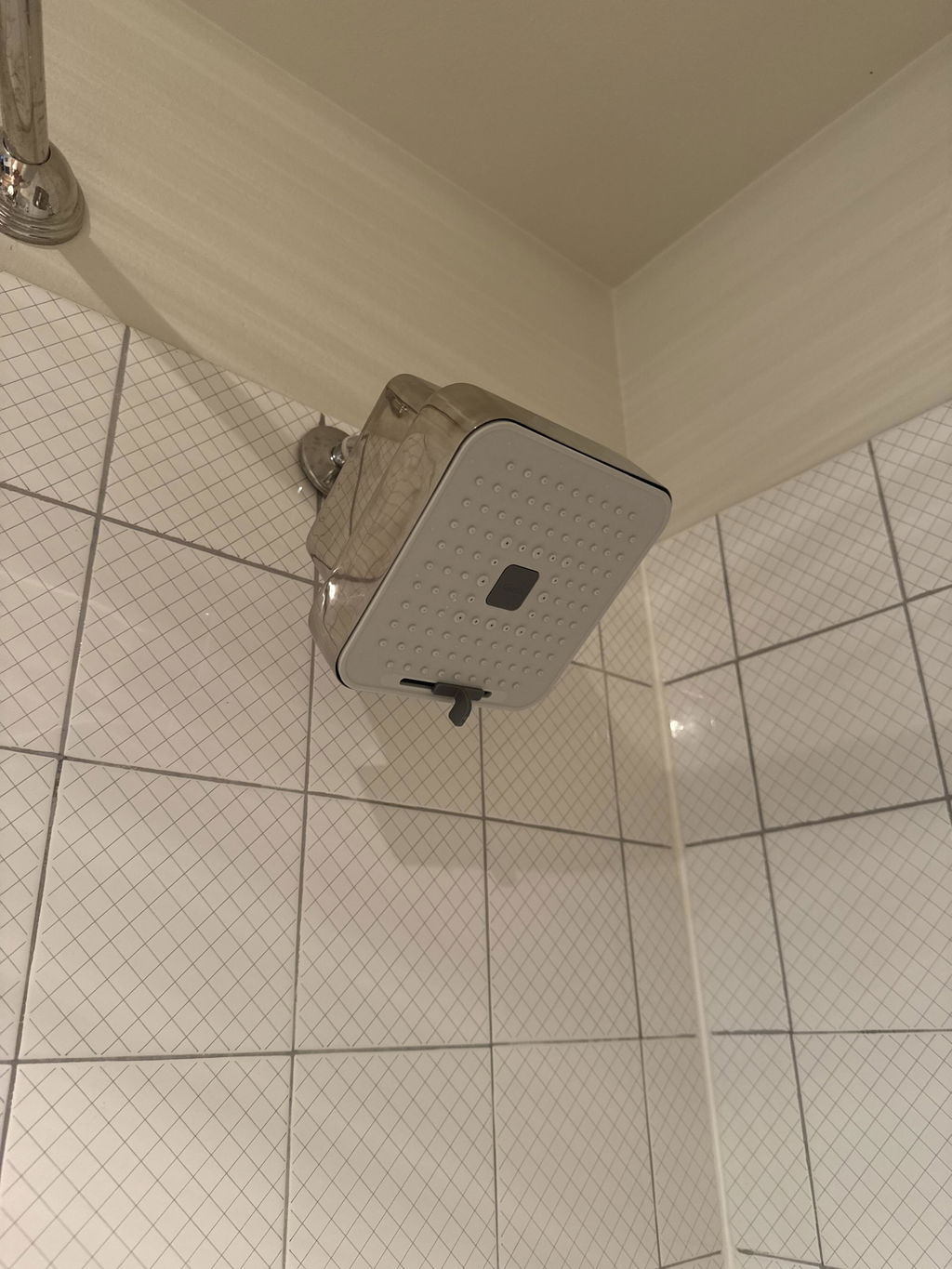
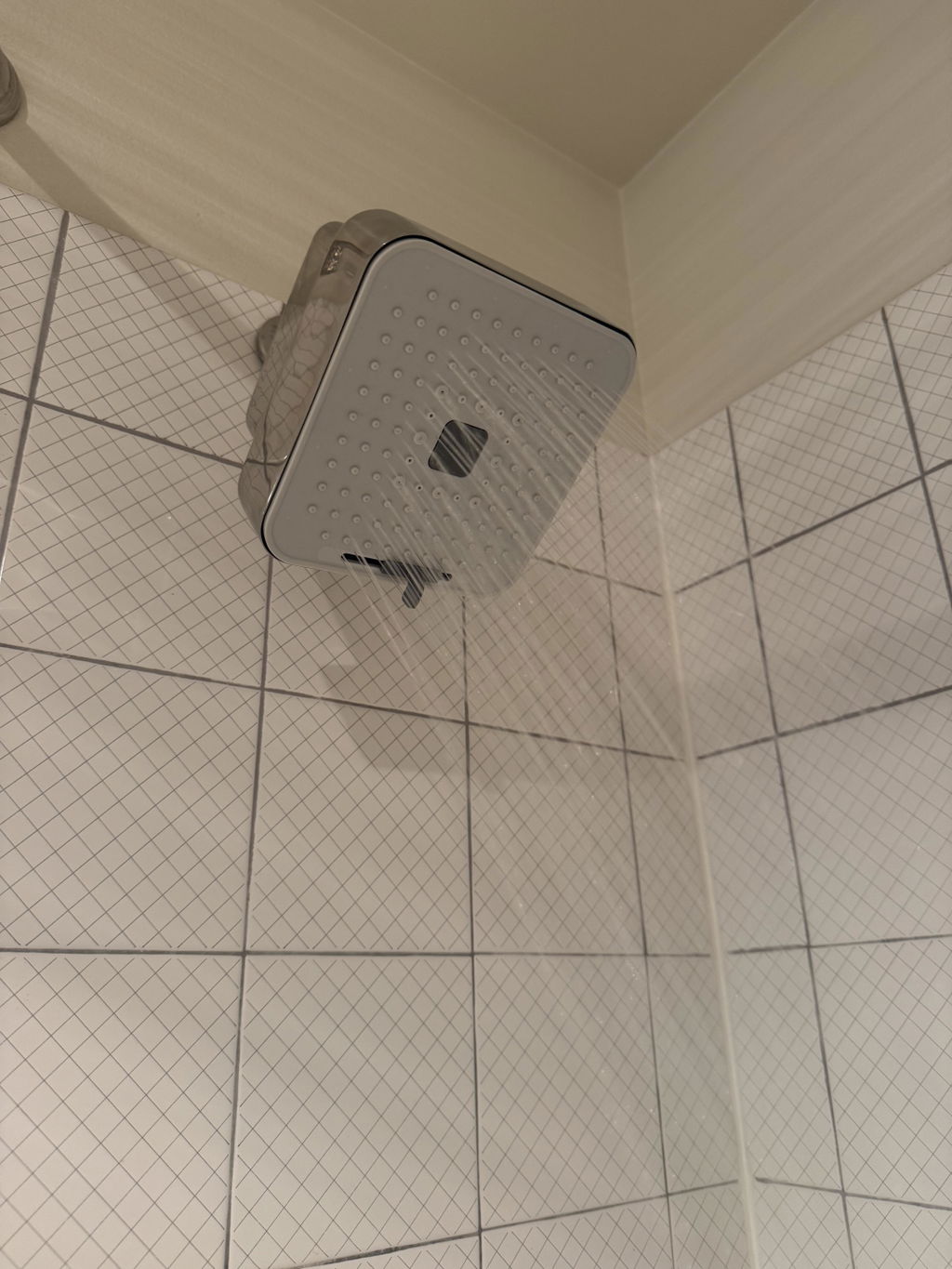
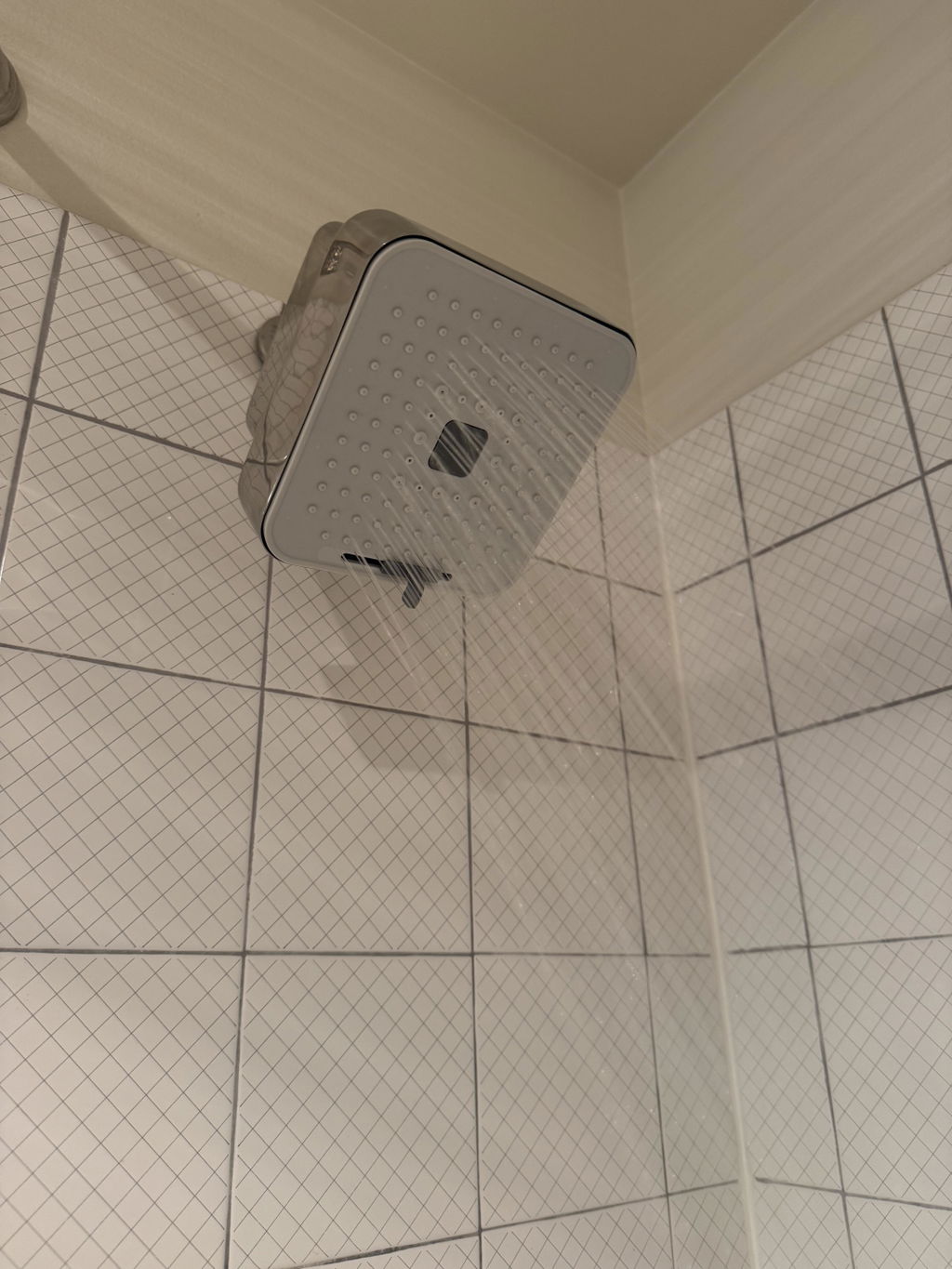
I’ve been using this filtered showerhead for about three months now. I never really thought much about my shower water before. I didn’t have skin or hair issues, and our city water is technically “safe.” But the more I learned about how quickly chlorine absorbs through skin and how older infrastructure can affect the quality at your actual faucet, the more it seemed like a simple bit of insurance against things that don’t need to be on or in my body.
I honestly wasn’t expecting to notice any difference, but the water feels softer (somehow slicker) and my hair dries much lighter and fluffier, even with the exact same products. That wasn’t my goal — just an unexpected side effect. The water also smells cleaner, it removed the faint scent I didn't realize I had gotten used to. Also, I was a little worried the shiny chrome would clash with my satin fixtures, but once installed it looks clean and modern.
I can’t speak to long-term health benefits (that’s sort of the point: I’m hoping not to experience any issues!), but for peace of mind plus the surprise hair bonus, I’m really glad I switched.